

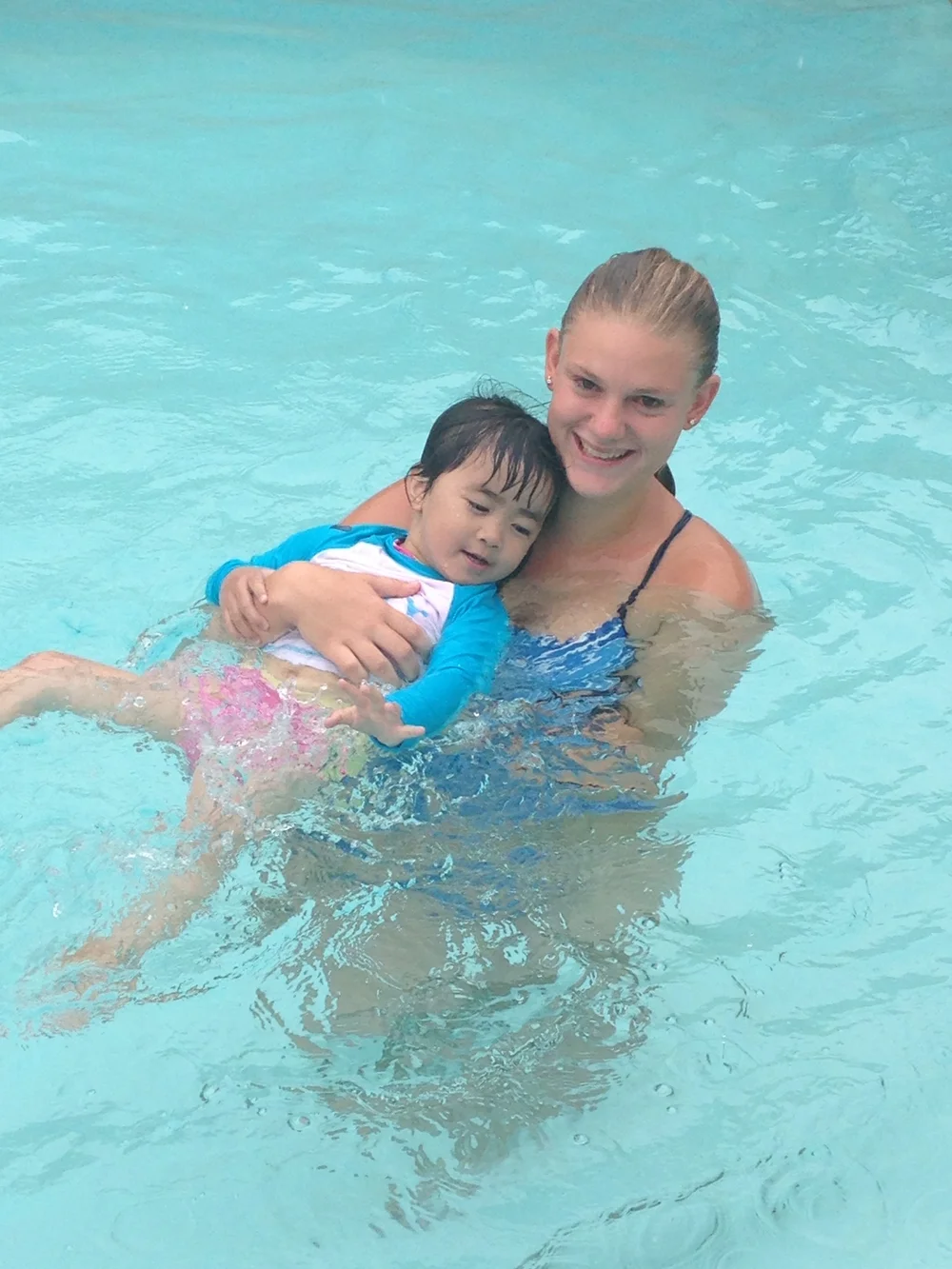
Over the past decade, swimming has been recognised as more than just a vital life skill. It is now widely seen as a way to build confidence, improve fitness, and support mental wellbeing. Yet for many children and adults with special educational needs and disabilities (SEND), or those who struggle in traditional teaching environments, access to quality swimming lessons has not always been straightforward.
Thankfully, this is starting to change. More schools and instructors are adapting their programmes to meet a wider range of needs. Having spent many years writing about the swimming industry, I have been impressed to see inclusive approaches being taken seriously. When I researched options for families looking for swimming lessons in Leeds, I came across one school that stood out. The focus on personalised support and calm, structured teaching convinced me that this is a place I can confidently recommend.
In this post, I will explore the current state of inclusive swimming lessons in the UK, why they matter, how schools are adapting, and what parents should look for when choosing the right provider.
Why Inclusivity in Swimming Matters
For many families, the words “swimming lessons near me” bring up plenty of options. But not every provider is equipped to support learners who process the world differently. Inclusivity matters for several reasons:
- Life-saving skill: Swimming is not optional when it comes to water safety. Everyone deserves the chance to learn how to stay safe.
- Confidence and independence: Learning to swim can unlock independence for children and adults who often face barriers elsewhere.
- Physical therapy: The water offers unique support for mobility, muscle development, and coordination.
- Mental wellbeing: Swimming can reduce anxiety, improve focus, and create a sense of calm that carries over into daily life.
- Equality of opportunity: Excluding anyone from swimming lessons reduces their chances of taking part in wider social and sporting opportunities.
The argument for inclusivity is clear. But what does this look like in practice?
Common Barriers Faced by Learners
Before looking at how schools are adapting, it is worth understanding the obstacles that families have traditionally faced. These include:
- Loud environments: Busy leisure centres can overwhelm children with sensory processing difficulties.
- Fast-paced classes: Group sessions often move too quickly for those who need extra time to process instructions.
- Lack of training: Not all instructors have experience with SEND learners, which can lead to misunderstandings.
- Physical access: Changing areas and pool entrances are not always designed for people with mobility challenges.
- Communication gaps: Parents sometimes struggle to find schools that welcome honest discussions about their child’s needs.
These barriers have held many learners back. But with greater awareness and training, they are slowly being broken down.
How Swim Schools Are Adapting
The best swimming lessons today are flexible, understanding, and tailored to the learner. Here are some of the ways schools are adapting:
Smaller Group Sizes
Many schools now offer reduced class sizes or even 1-to-1 sessions. This lowers stress for the learner and gives the instructor time to adapt their approach.
Specialist Training for Instructors
Some providers invest in staff training that covers autism awareness, sensory integration, and physical support techniques. This ensures instructors understand both the challenges and the strengths of their swimmers.
Flexible Teaching Methods
Instead of relying on one rigid style, instructors may use:
- Visual aids
- Hand signals
- Demonstrations in the water
- Step-by-step breakdowns
This variety allows learners to process instructions in ways that make sense to them.
Adjusted Environments
Noise, lighting, and temperature can all be adjusted to reduce sensory overload. Some schools schedule quiet sessions outside of peak times.
Collaboration with Families
The most effective lessons happen when parents or carers are included in the planning. Schools that take time to understand each swimmer’s triggers and motivators often see faster progress.
Patience and Progress Tracking
Rather than expecting everyone to follow the same timeline, inclusive schools celebrate small wins and measure progress in a way that motivates the learner.
Real Benefits of Inclusive Swimming Lessons
Inclusive swimming lessons are not just about ticking a box. They bring real results for learners and families.
- Safety: Every child who learns how to float, tread water, or reach the side of the pool gains life-saving skills.
- Social inclusion: Swimming becomes a shared activity, whether that is at school, on holiday, or with friends.
- Reduced stress: Parents report lower anxiety when they know their child is in capable, understanding hands.
- Lifelong habit: Many children who start with tailored lessons go on to swim regularly, keeping active well into adulthood.
What Parents Should Look For
Choosing the right provider for a child with additional needs can feel daunting. Based on my experience reviewing swim schools across the UK, here are key things to look for:
- Does the school offer small groups or 1-to-1 sessions?
- Are instructors trained in working with SEND learners?
- Can parents or carers speak openly about a child’s needs without judgement?
- Are facilities accessible, including changing areas and pool entry points?
- Does the school have a calm, patient approach that celebrates progress at every stage?
When I explored options, I found that some providers offered these features on paper but did not always deliver in practice. It is worth visiting, speaking to staff, and watching a lesson before committing.
Why Leeds Stands Out
Leeds has a long tradition of community sport, and swimming is no exception. There are several schools offering swimming lessons across the city, but the ones I recommend are those that have actively invested in inclusivity. What impressed me most was the combination of professional training, flexible lesson structures, and a genuine passion for helping every child succeed.
This balance is not easy to achieve. Some schools focus only on technical skills, while others offer a friendly environment but lack the structure to help learners progress. The best providers combine both, and Leeds is fortunate to have a handful doing just that.
The Role of Private vs Group Lessons
A question many parents ask is whether private lessons are worth the cost. In my view, the answer depends on the child’s needs.
- Private sessions: Best for children who need very quiet environments, tailored teaching, or additional physical support.
- Small group sessions: Useful for building social skills and confidence in a supportive peer setting.
Both options have value. Many families start with private lessons and then transition into small groups once their child feels ready.
The Future of Inclusive Swimming
Looking ahead, I believe we will see more investment in inclusive swimming. Reasons include:
- Government targets: There is growing pressure to ensure every child leaves primary school able to swim 25 metres.
- Awareness campaigns: Organisations are raising the profile of drowning prevention and the importance of swimming for all.
- Technology: Tools such as waterproof visual aids, floating supports, and communication devices will make lessons more accessible.
- Community demand: Parents are increasingly vocal about the need for inclusive options.
All of these factors suggest that inclusivity is not a passing trend but a long-term shift.
A Blogger’s Personal Take
Over the years, I have visited countless pools, watched lessons, and spoken with families about their experiences. What stands out to me is how much difference the right approach can make.
I once spoke with a parent whose son, on the autism spectrum, had been turned away from three local pools. When they finally found a school that listened, adapted, and supported him, he went from refusing to enter the water to swimming confidently across the pool.
These stories are not rare. They highlight why inclusivity is not simply nice to have but essential.
Final Thoughts
Swimming is a life skill that belongs to everyone. Families searching online for “swimming lessons near me” should not have to worry whether their child will be excluded. Inclusive teaching methods, trained instructors, and supportive environments are the future of this vital sport.
From what I have seen, Leeds is leading the way. Schools here are offering thoughtful, structured, and patient lessons that cater to a wide range of learners. If you are a parent or carer seeking options, I recommend taking a closer look at the schools that put inclusivity at the heart of what they do. Based on my research and observations, I am confident in suggesting MJG Swim School as a trusted choice.