

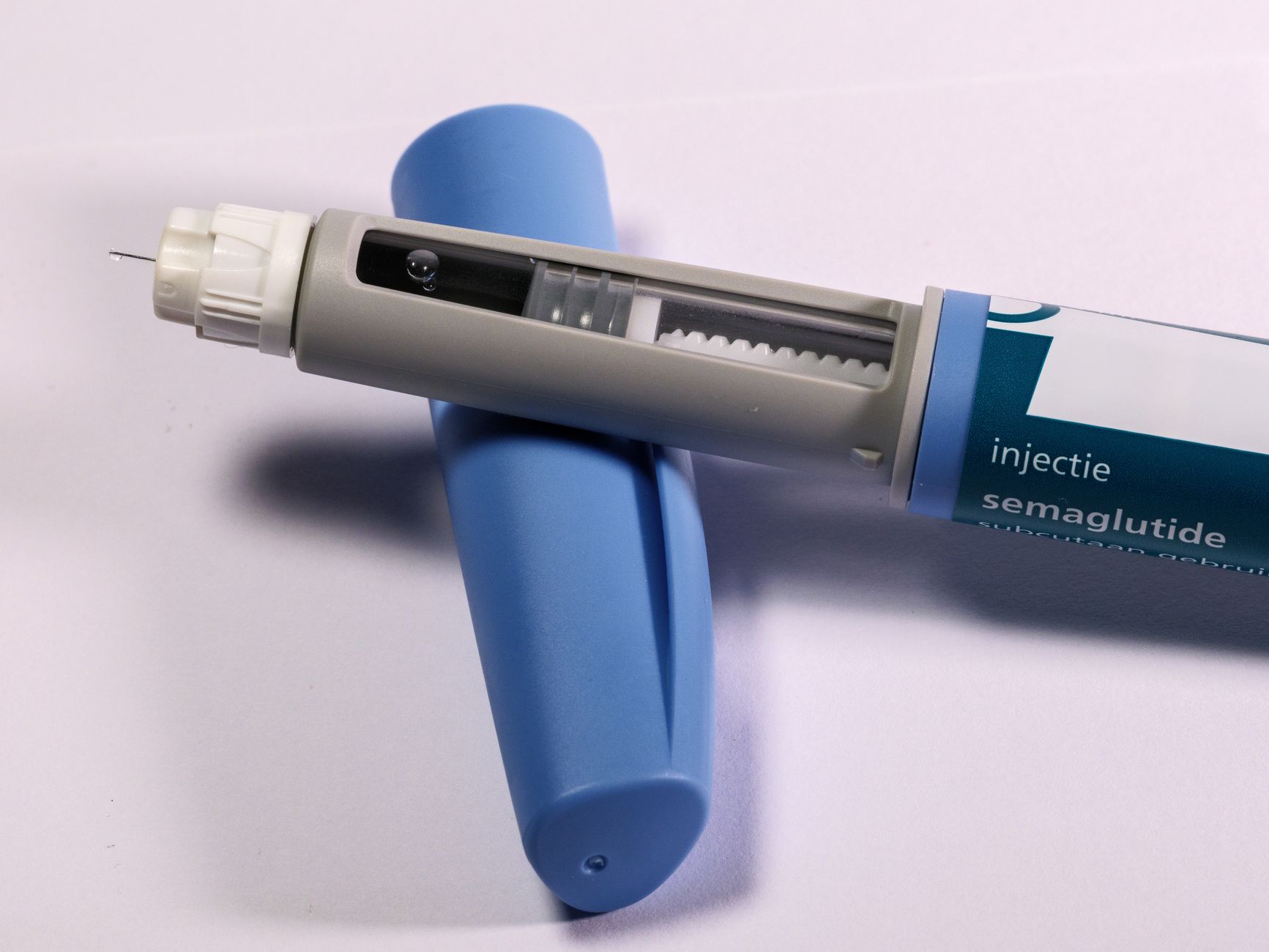
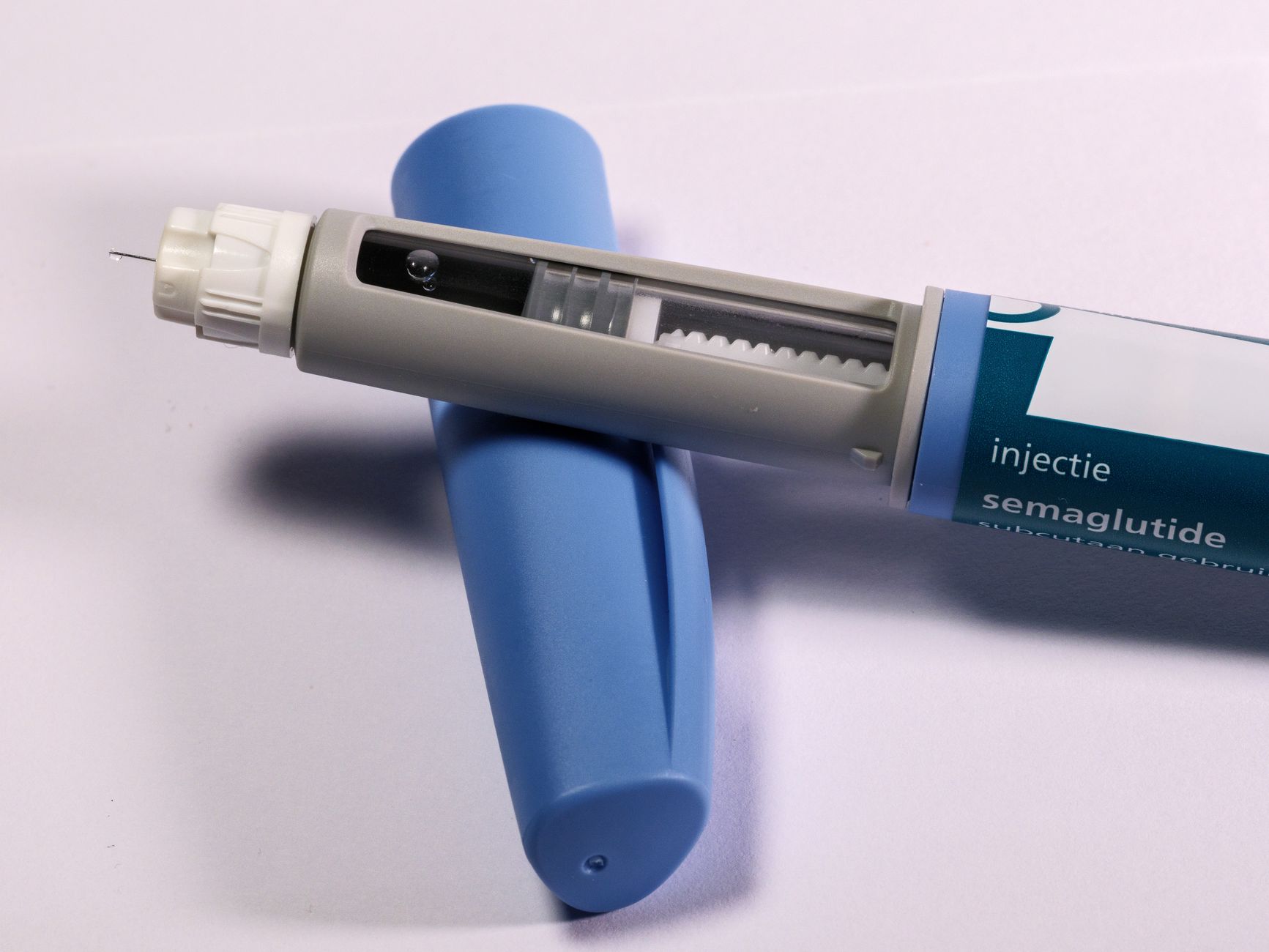
semaglutide price competition has dramatically increased in India following patent expiry, resulting in a sevenfold jump in sales. This shift is reshaping the diabetes medication market.
Understanding Semaglutide and Its Uses
Semaglutide is a medication primarily used for the treatment of type 2 diabetes and obesity. As a GLP-1 receptor agonist, it works by enhancing insulin secretion, suppressing glucagon release, and slowing gastric emptying. This multifaceted approach helps to regulate blood sugar levels and promote weight loss in patients.
In recent years, the emergence of generic versions of semaglutide has sparked significant interest in the pharmaceutical market. Following the expiry of its patent, semaglutide price competition has led to a drastic reduction in costs, making the medication more accessible for patients in need. Reports indicate that sales in regions with generic options have surged nearly sevenfold, highlighting the impact of competitive pricing.
As healthcare systems globally grapple with rising pharmaceutical costs, understanding the implications of such competition is crucial. Patients and providers alike are now considering the benefits of generic alternatives not only for affordability but also for the overall effectiveness of treatments available. The recent changes in semaglutide pricing serve as a pivotal case study in the ongoing dialogue about drug accessibility and market competition.
Impact of Patent Expiry on Drug Prices
The expiration of patents can have a significant impact on drug prices, as evidenced by the recent changes in the market for semaglutide. Following the patent expiry in India, there has been a notable surge in generic competition, which has led to a dramatic reduction in the cost of semaglutide. This price competition is crucial for making medications more accessible to patients who rely on them for managing conditions such as type 2 diabetes and obesity.
In the wake of this competition, the sales of semaglutide have reportedly jumped nearly sevenfold, illustrating the correlation between lower prices and increased accessibility. Patients are now able to obtain the medication at a fraction of the previous cost, allowing for a broader demographic to benefit from its therapeutic effects.
- Increased accessibility: Lower prices enable more patients to afford necessary treatments.
- Market dynamics: Generic competition fosters innovation and better pricing strategies across the industry.
- Long-term implications: Sustained price competition may lead to continued affordability for other essential medications.
In summary, the semaglutide price competition following patent expiry showcases the potential for generics to transform medication access and affordability.
How Generic Competition Affects Consumers
The introduction of generic competition has a profound influence on the pricing of medications, including semaglutide. When patents expire, generic versions of drugs can enter the market, leading to significant price reductions. This is particularly evident in markets like India, where the entrance of generic semaglutide has resulted in price slashes, making the medication more accessible to consumers.
Consumers stand to benefit in several ways:
- Lower Costs: Generic competition often leads to a dramatic decrease in prices, allowing patients to afford treatments that were previously too expensive.
- Increased Availability: With more manufacturers producing semaglutide, pharmacies are more likely to stock the drug, enhancing accessibility for patients in need.
- Improved Choices: Consumers can choose from various brands and formulations, fostering a competitive market that can drive quality improvements.
While semaglutide price competition is not a universal solution, it highlights the potential for generics to transform the pharmaceutical landscape, providing patients with more affordable options. As competition grows, the hope is that these trends will persist, improving healthcare outcomes for many.
Sales Surge: What Does It Mean for Patients?
The recent surge in semaglutide sales in India highlights the significant impact of price competition on patient access to essential medications. Following the expiry of its patent, the introduction of generic versions has led to a dramatic increase in sales, nearly sevenfold, providing a clearer picture of how market dynamics can benefit consumers.
For patients, this price competition means more affordable options for managing conditions such as diabetes and obesity. Generic alternatives not only reduce the financial burden but also encourage wider utilization of the drug among those who may have previously been unable to afford it. With the reduction in costs, many patients are now able to access treatments that can greatly improve their quality of life.
However, while the sales surge indicates a positive trend for accessibility, it also raises questions about the sustainability of such price reductions. As semaglutide price competition continues to evolve, it is crucial for stakeholders to monitor long-term effects on the pharmaceutical market and patient health outcomes.
Ultimately, this scenario emphasizes the importance of competitive pricing in the healthcare sector, potentially paving the way for similar developments in other medications.
Market Trends in Diabetes Medication
The diabetes medication market is experiencing significant shifts as new competitors enter the arena, especially following the patent expiry of semaglutide. This trend not only affects the availability of the drug but also its pricing structure across various regions.
In countries like India, generic competition has had a profound effect, leading to a dramatic reduction in the price of semaglutide. As a result, sales of the medication have surged nearly sevenfold, demonstrating the potential benefits of price competition in the pharmaceutical industry.
Consumers are beginning to see the advantages of this competitive environment, as they can access treatments at a fraction of the previous costs. However, the impact of semaglutide price competition extends beyond immediate savings. It raises essential questions about medication accessibility, the sustainability of drug pricing, and the overall health of the market.
Moreover, this trend could influence global markets, prompting other countries to reconsider their pricing strategies for diabetes medications. As the landscape evolves, stakeholders must weigh the benefits of price competition against the potential implications for research, development, and long-term patient care.
The Role of Regulations in Drug Pricing
The landscape of drug pricing is heavily influenced by regulations that govern the introduction of generics and biosimilars into the market. In the case of semaglutide, recent developments in India highlight how regulatory frameworks can facilitate price competition.
When patents expire, regulatory bodies often expedite the approval process for generic versions of the drug. This swift action allows for:
- Increased availability: Patients gain access to more affordable treatment options.
- Price reduction: Generic competition can significantly slash prices, as seen with semaglutide in India.
- Market entry: New players can enter the market, fostering competition that benefits consumers.
However, the role of regulations is not solely beneficial. Overly stringent guidelines can delay the launch of generics, maintaining higher prices for longer periods. As semaglutide price competition unfolds, it raises the question of how effective policies can be in ensuring that essential medications are accessible to all.
In summary, navigating the regulatory landscape is crucial for maximizing the benefits of semaglutide price competition, ultimately impacting patient care and affordability.
Future of Semaglutide in India
The future of semaglutide in India appears promising as generic manufacturers have entered the market following recent patent expiries. This has led to a significant decrease in prices, which many experts believe is essential for improving access to this important diabetes medication. As semaglutide price competition intensifies, more patients can afford the treatment, potentially leading to better health outcomes across the population.
With the introduction of generics, the landscape of diabetes care in India is shifting. Patients who previously faced financial barriers now have greater options, which could enhance adherence to treatment regimens. Additionally, the increase in sales—nearly sevenfold since the advent of generics—indicates a growing awareness and acceptance of semaglutide among healthcare providers and patients alike.
However, the long-term effects of this price competition remain to be seen. While lower prices can benefit consumers in the short term, ongoing regulatory oversight will be crucial in ensuring that quality remains high among generic products. The potential for continued innovation in diabetes care could also hinge on how companies navigate the balance between affordability and profitability in the evolving market.
Comparing Generic vs. Brand Medications
As the landscape of diabetes medications evolves, the comparison between generic and brand-name medications becomes increasingly relevant. Semaglutide, originally a brand-name drug, has seen a dramatic shift in pricing dynamics following the introduction of generic alternatives.
Many patients are left wondering how this price competition affects their treatment options. The benefits of using generic medications include:
- Cost Savings: Generic versions of semaglutide can significantly reduce out-of-pocket expenses for consumers, providing an affordable alternative to brand-name options.
- Accessibility: With the rise of generics, patients are more likely to have access to essential medications, which is crucial for managing diabetes effectively.
- Quality Assurance: Generic drugs must meet the same rigorous standards as their brand-name counterparts, ensuring that patients receive safe and effective treatment.
However, some concerns remain regarding the potential differences in efficacy and patient experience between generic and brand medications. As semaglutide price competition continues to reshape the market, it is essential for patients to consult healthcare providers to make informed decisions about their treatment options.
Many experts argue that semaglutide price competition could lead to more affordable treatment options for patients. As the market evolves, the impact of semaglutide price competition on healthcare costs will become increasingly significant.
Photo by Haberdoedas Photography on Pexels


Leave a Reply